Jun 4, 2026
AI Coding Is Not Making Developers Lazy
AI coding does not remove the hard part of software development. It exposes more of it, compressing investigation, testing, and decision-making into a much denser workflow.
- AI
- Software Engineering
- Developer Productivity
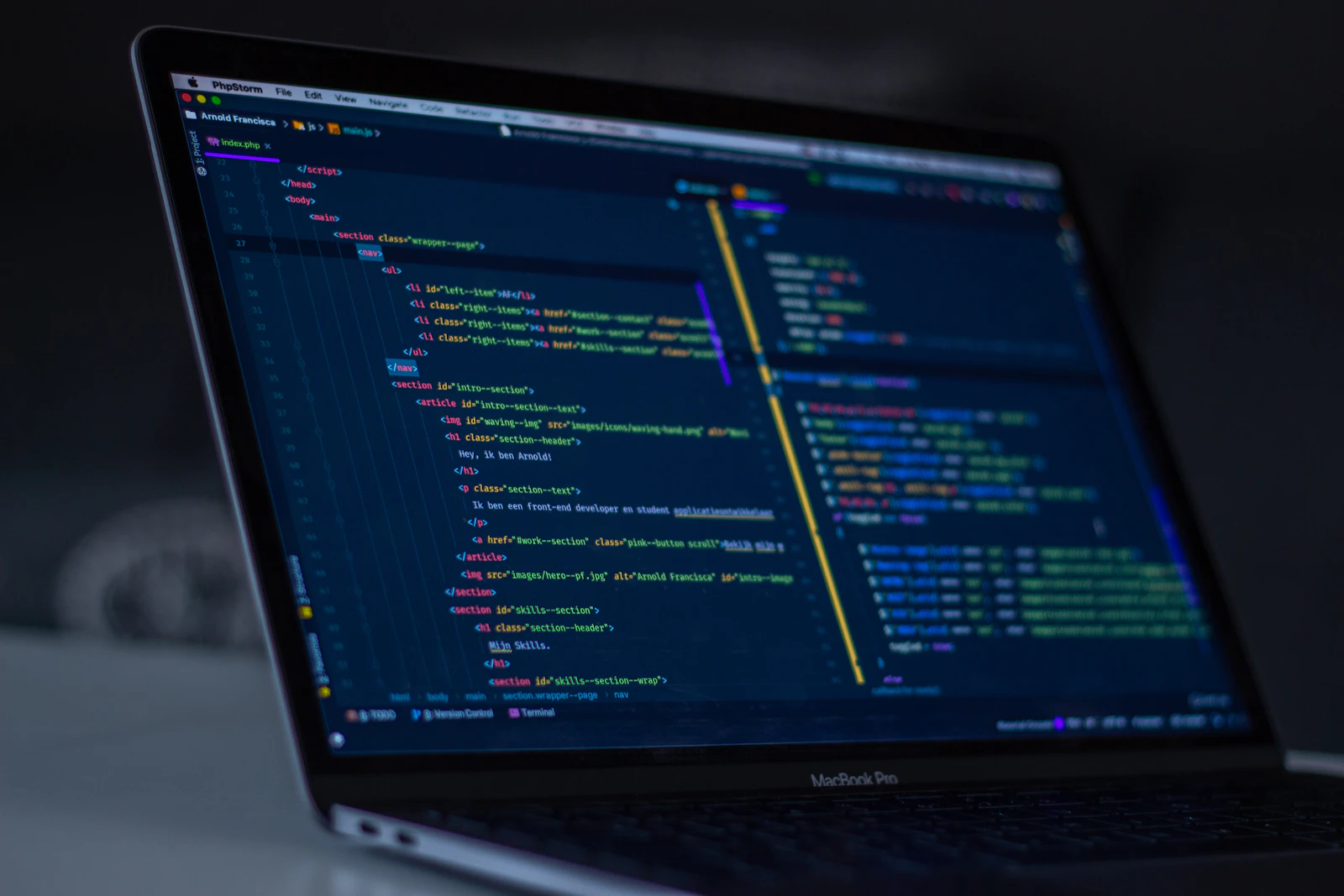
Photo by Safar Safarov on Unsplash.
The common complaint about AI coding is that it makes developers lazy. I have the opposite complaint: AI coding makes me busier. Not because it creates more meetings, more tickets, or more bureaucracy, but because it removes the waiting time between problems. A bug investigation that used to take days can now happen in hours. A test that used to feel expensive can now be generated quickly. A refactor that used to be postponed can suddenly look realistic. At first, this sounds like pure productivity, but once the work gets faster, something strange happens: all the hidden work we used to ignore starts becoming visible.
The Lazy Developer Narrative Is Wrong
There is a popular assumption that using AI means avoiding the hard part of programming. The machine writes the code, the developer becomes a prompt operator, thinking becomes optional, and skill becomes less important. That assumption only works if we define programming as typing code. But professional software development has never been only about typing. It is about understanding behavior, managing trade-offs, handling edge cases, protecting maintainability, and deciding when something is safe enough to ship. AI can generate implementation quickly, but it cannot carry responsibility for the result. That responsibility still belongs to the developer.
The Hidden Work Comes Back
Before AI, slowness created boundaries. If a bug took one full day to investigate, we often stopped at the fix. Maybe we skipped the unit test. Maybe we ignored a nearby edge case. Maybe we left the surrounding code messy because touching it would create another task. This was not always laziness. Sometimes it was just economics. There was limited time, limited energy, and limited attention, so teams made trade-offs. Some work was postponed, and some work was silently dropped.
AI changes that calculation. When the first fix is faster, the next questions arrive sooner. Should this have a regression test? Is this fix too narrow? Did we verify the surrounding behavior? Are there similar bugs elsewhere? Is the current abstraction still correct? Is this code now easier to maintain? These questions were always there. AI did not create them. It made them harder to ignore.
Faster Work Means Denser Judgment
The surprising part of AI coding is not how much code it can produce. The surprising part is how much judgment it demands. A single investigation can now include multiple hypotheses, generated patches, test cases, explanations, and alternative implementations. That is powerful, but it is also mentally intense. You are not just waiting for the answer. You are reviewing, rejecting, correcting, narrowing, and deciding.
This is why AI coding can feel exhausting even when it is clearly productive. The work is not disappearing. It is being compressed. The old bottleneck was implementation speed. The new bottleneck is attention. In the old workflow, the waiting time created accidental breaks. In the AI workflow, those breaks shrink, and the responsibility moves closer to the surface.

Photo by Daniil Komov on Unsplash.
AI Raises the Standard
There is also a quality problem that many people do not talk about. Once AI makes certain tasks cheap, the standard for professional work moves upward. This is what I previously described as the raising of the floor: when boilerplate, basic unit testing, and standard documentation become easier to produce, they stop being impressive extras and become part of the baseline. Basic unit tests become harder to justify skipping. Documentation updates become less painful. Edge case exploration becomes easier. Code review becomes more important because code is produced faster. The definition of “finished” becomes stricter.
This is good for software quality, but it is not effortless for developers. AI does not only help us finish tasks faster. It also removes many of the excuses we used to have for not doing the supporting work around those tasks. That can feel like pressure, but it is also a sign that the work is becoming more honest.
The Real Shift
AI will not replace developers simply because it can write code. Writing code was never the full job. The real job is deciding what should be built, understanding why it behaves a certain way, identifying what can go wrong, and choosing which risks are worth addressing now. AI changes the shape of that job. It moves us away from manual implementation and toward continuous judgment. In that sense, this is another side of the same shift from coder to orchestrator, but with more focus on the emotional cost of that orchestration.
That is not laziness. That is a different kind of discipline.
A More Honest Way to Work With AI
The relief, for me, is realizing that feeling tired does not mean I am using AI wrong. It means the work has become denser. AI exposes more possibilities than we can reasonably act on, so the new skill is not just prompting better. It is knowing when to stop.
We need to decide the scope before chasing every edge case. We need to ask for tests, but still choose which tests matter. We need to use AI to explore quickly, then deliberately return to human standards for delivery. The point of AI coding is not to make developers careless. The point is to reduce mechanical friction so developers can spend more energy on the parts that actually require judgment.
That is not the lazy version of programming. It might be the more demanding one.